

It is always important to talk about health and wellness, especially cannabis consumption. This article discusses a popular concoction gaining traction in the medical marijuana world: delta-8 and CBD, and how the two get combined into one potent treatment for pain relief. It's not often that we hear about mixing products. While it is typically understood that when combining two chemicals, there will be a reaction, and the product will change, this doesn't always have to be the case.
For example, there is no reaction when you mix sugar and water; instead, the water molecules dissolve in the sugar crystals. When you combine CBD oil with delta-8 THC oil, though, you might be in for a surprise!
With the rise of CBD, many people are looking to try CBD-infused wellness products. There is much confusion about what it takes to make a successful mixture that's both beneficial and safe.
So, if you are wondering how to mix delta 8 and CBD, questioning if this concoction is beneficial or not, then this post is for you. This blog post will discuss everything from the molecular difference between Delta-8 and CBD to how it reacts with our bodies.
Delta-8 is a cannabinoid found in the marijuana plant, being one of the cannabinoids that bind to cannabinoid receptors. It is also known as THC-COOH; delta 8–9 tetrahydrocannabinolic acid; dl-THC, and Δ1,3-delta 8–9 tetrahydrocannabinol.
It has similar effects to other cannabinoids that bind with cannabinoid receptors, such as delta 9–tetrahydrocannabinol (Δ9 THC) which attaches to the CB1 receptor. It is a naturally occurring steroid hormone. Athletes, particularly sprinters and marathon runners, take it to increase their muscle mass before performing at their peak.
The more delta-8 that exists in the body, the less acetylcholine will be available to act on the postsynaptic membranes of neurons. Causing them to remain in hyperpolarized states and thus prevent activity from occurring. However, it has a variety of medical uses, and you can use them in many medical treatments, including helping people with insomnia who have trouble falling asleep. This delta-8 product treats depression, anxiety and PTSD, and insomnia.

Image Source: www.pixabay.com
Cannabidiol, better known as CBD, is a compound found in cannabis. It is non-psychoactive and can be used to treat a variety of conditions. It doesn't cause a high, but some people use it as a natural pain reliever and feel better when they take it. It is a non-intoxicating cannabis compound that has therapeutic properties. It is famous for having anti-inflammatory, anti-anxiety, and antidepressant effects without the psychoactive effects of delta-9 tetrahydrocannabinol (Δ9THC), the main active ingredient in most forms of cannabis.
It may have therapeutic effects on skin, anxiety, insomnia, pain, seizures, and other medical conditions. It is famous for helping treat cancer and neurodegenerative diseases such as epilepsy. It has many medically beneficial qualities and may treat various conditions. For example, CBD reduces anxiety without causing a high and may even reduce epileptic seizures naturally. It also helps with mental disorders like schizophrenia and even PTSD, decreasing stress-induced inflammation.
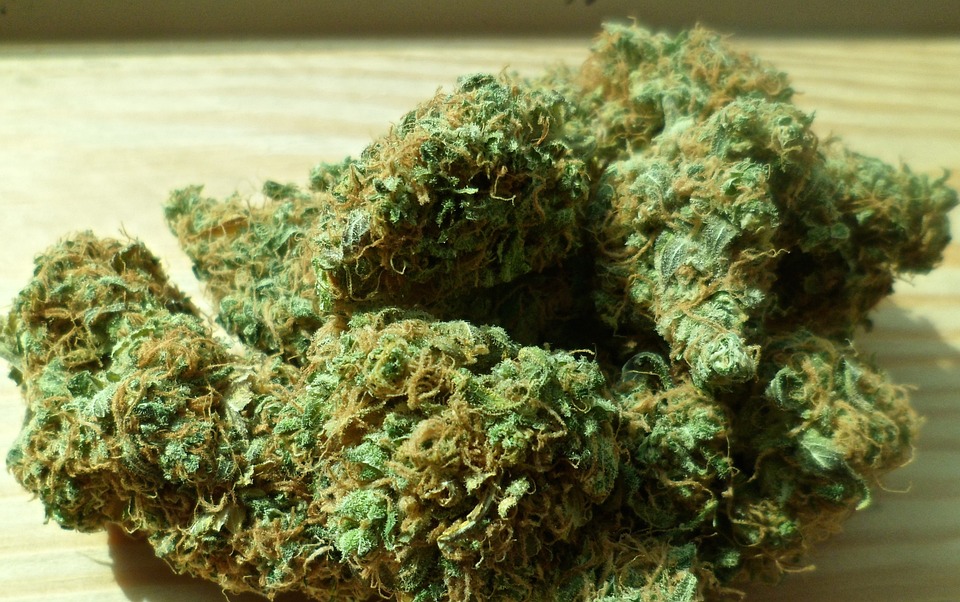
Image Source: www.pixabay.com
Delta-8 and CBD are two essential ingredients in a cannabis product, specifically a topical. Delta-8 is the chemical that makes THC act like THC and CBD act like CBD. CBDs are a group of chemicals that are very calming and anti-anxiety. And delta-8 is a synthetic cannabinoid with a high affinity for the CB1 receptor.
Mixing delta-8 and CBD can lead to some interesting reactions. Delta-8 is oil-rich in THC, whereas CBD high in THC levels would be considered a cannabis plant extract, not the extracted oil. Therefore, mixing the two oils could lead to psychoactive effects.
Many people ask if Delta-8 and CBD can get mixed to increase euphoria.
Hemp experts point to the entourage effect. However, they also emphasize a more specific approach. The ensemble effect refers to the rising benefits of particular combinations of cannabinoids and not the more general variety of cannabinoids found in full-spectrum CBD. This approach is more beneficial, but hemp experts are equally passionate about it.
This mixing approach lets you fine-tune your cannabinoid experience to meet your therapeutic needs better.
So, does this concoction react to the body?
The short answer is yes, but it's not a recommendation because the concoction will affect your body. So, to understand how this mixture reacts with our bodies, it's essential to know how they work separately. Delta-8 can get inhaled while it causes euphoric effects or ingested orally while it causes sedation or drowsiness.
While CBD is the anti-psychotic cannabinoid, CBD binds to receptors in our body that activate when we consume Delta-8 THC, which reduces some undesirable effects of Delta-8 THC like anxiety and paranoia. When delta-8 THC and CBD collide, they work together to allow users higher focus and productivity. However, it is crucial to know that the effects are not permanent and that the user will eventually need to consume more delta-8 THC or CBD for the results to be present again.
But some studies say it will have an adverse reaction to CBD, causing blood pressure to rise and heart rate to drop, and side effects such as emotions and increased pain levels.
The two compounds have many adverse effects on the body, so it's tough to know when to combine them to avoid dangerous side effects.
This article has discussed the subject of mixing delta-8 and CBD. Not only does it discuss how the two ingredients react with our bodies, but it also covers tips for those who are trying to figure out how to make the best concoction possible.
It is essential to understand that combining these two ingredients can be beneficial, as it creates a "super-cannabinoid" that has both CBD's psychoactive and anxiolytic properties. CBD and Delta 8's chemical combination is appropriately known as Delta 8:9 or THC: CBD can be highly potent. However, the chemical reaction depends on the individual's body chemistry.
For example, some people may experience nausea while others do not. If you want to try mixing the two, make sure you know what kind of side effects you can expect beforehand. If you are unsure about mixing your CBD and THC extracts, you should consult a doctor before introducing them into your routine.